
Understanding Cognitive Decline: What’s Reversible and What Is Not
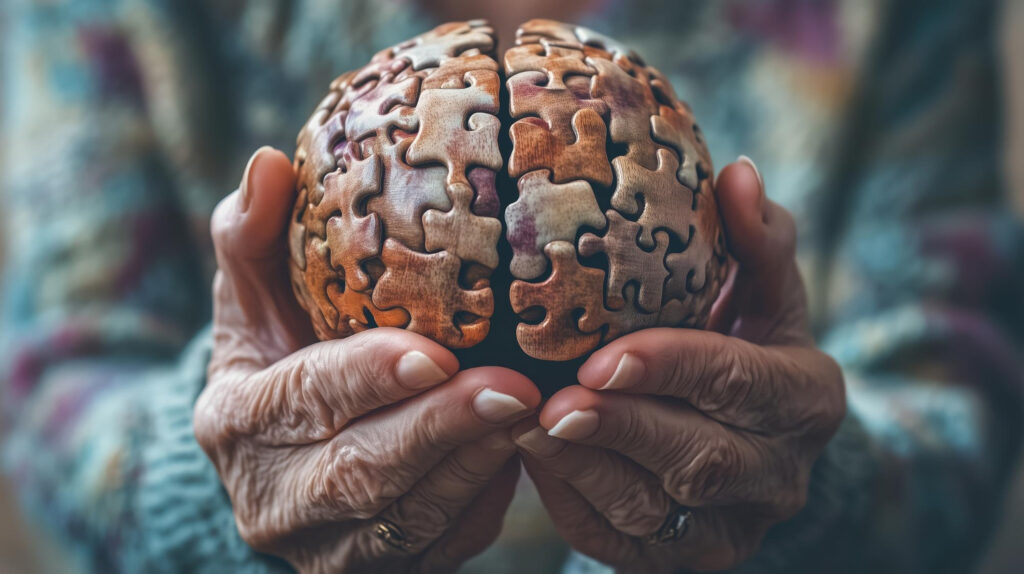
Not every form of cognitive decline is dementia, and not every memory change is permanent. This is one of the most hopeful messages families can hear when they begin noticing lapses in memory, changes in thinking, or shifts in behavior in a loved one. While Alzheimer’s disease, for example, itself remains a progressive, degenerative condition that cannot currently be reversed, many other causes of cognitive decline can improve with proper care, nutrients, and medical attention.
At Evergreen Nursing Health, we help families understand that cognitive decline is not a single condition but a spectrum. Some causes are temporary and reversible, while others unfold over time and require long-term support. Knowing the difference is essential.
Alzheimer’s Disease: What We Know Today
Alzheimer’s disease is a neurodegenerative condition marked by progressive deterioration in memory, reasoning, and independence. As it advances, individuals experience:
- Significant memory loss
- Increased confusion
- Disorientation
- Difficulty performing daily tasks.
- Changes in mood and behavior
Although the exact cause of Alzheimer’s disease remains unknown, research continues to reveal compelling biological clues. Many individuals diagnosed with Alzheimer’s show:
- Low levels of key nutrients such as Vitamin B12, Vitamin B3, folate, and zinc
- Have elevated homocysteine levels, a risk factor associated with vascular and cognitive decline.
High homocysteine—known as hyperhomocysteinemia—can result from:
- Vitamin deficiencies
- Genetic variations (such as MTHFR)
- Kidney disease
- Hypothyroidism
- Medications that interfere with folate or B-vitamin metabolism
While addressing these factors does not reverse Alzheimer’s, optimizing nutritional status can often slow decline, improve mood and energy, and enhance overall quality of life.
The Hopeful Side: Not All Cognitive Decline Is Permanent
A crucial message for families is this:
Many causes of cognitive decline can be reversed when identified early.
These include:
- Vitamin deficiencies
- Thyroid disorders
- Medication side effects
- Depression and anxiety
- Sleep apnea
- Chronic infections
- Dehydration
- Poor nutrition
- Sensory impairments (vision/hearing loss)
When the root cause is corrected, brain function may improve dramatically. This is why Evergreen’s nurse-led assessments continually evaluate physical, emotional, nutritional, and environmental factors, rather than focusing solely on memory symptoms.
Insights from Reversing Alzheimer’s by Dr. Heather Sandison
Dr. Heather Sandison’s work reinforces a powerful truth:
The brain can repair itself remarkably when provided with appropriate support.
Her book, Reversing Alzheimer’s: The New Toolkit to Improve Cognition and Protect Brain Health, emphasizes that:
- The brain needs nutrients, oxygen, good sleep, movement, and social connection to thrive.
- Removing irritants and toxins—such as inflammatory foods, mold exposure, or chronic stress—allows the brain to function more clearly.
- Whole-body health cannot be separated from brain health; the two operate as one integrated system.
Drawing from ancient wisdom traditions, Dr. Sandison describes four dimensions of healing:
- Inside (mind, emotions)
- Outside (environment, lifestyle)
- Me (individual choices and identity)
- We (relationships, community, family)
True healing—in dementia care or any cognitive decline—requires attention to all four.
A Relationship-Centered Approach to Dementia Care
One of the most profound messages in Sandison’s work echoes Evergreen’s philosophy:
“We can continue to love a person even after they have changed dramatically and even when we are deeply troubled by their present state.”
Dementia reshapes identity, communication, and memory, but it does not erase personhood. Emotional memory—the memory of feeling safe, loved, and respected—often remains long after cognitive memory fades. This is why we speak, touch, and connect so deeply.
At Evergreen Nursing Health, we believe that caregiving is not a solo effort.
Family members bring love and history.
Healthcare professionals bring knowledge and structure.
Together, they create a compassionate, skilled circle of support—one that preserves dignity, reduces fear, and enriches the life of the person living with dementia.
Evergreen’s Commitment
Our nurse-led team at Evergreen Nursing Health is committed to:
- Early recognition of reversible cognitive changes
- Whole-person dementia education
- Compassionate, evidence-based care strategies
- Empowering families with the knowledge to feel confident and supported.
Whether cognitive changes are reversible or part of a progressive condition, families deserve hope, clarity, and partnership. At Evergreen Nursing Health, you never walk this journey alone.
Are you looking to secure either of these services? Schedule a free consultation with our expert nurses today!